kawasaki ninja 1000: Kawasaki has redefined its sports touring flagship with the introduction of the 2025 Ninja 1100SX, marking a significant evolution from the beloved Ninja 1000SX. This strategic update represents more than just a displacement increase – it’s a comprehensive refinement of one of motorcycling’s most successful sport touring platforms. The new model maintains the same competitive pricing as its predecessor while delivering enhanced performance where riders need it most.
Kawasaki’s Ninja 1000SX has been MCN’s favourite sports tourer from the get-go. Fast, composed, comfortable, smooth, refined and great value for money, it’s ruled the roost, ever since it evolved from the Z1000 back in 2011. For 2025, the rapid mile-muncher gets a capacity hike and goes by the name of the Ninja 1100SX. This transformation reflects Kawasaki’s commitment to evolving successful platforms rather than starting from scratch.
kawasaki ninja 1000: Engine Evolution Prioritizes Real-World Performance
The headline change centers on the powerplant transformation that gives the motorcycle its new designation. The new 1099cc motor adds 56cc to last year’s model via a 3mm-longer stroke in the four inline cylinders. New cam profiles and intake ports add grunt to the low and midrange while new ECU programming smooths out the power curve. This engineering approach prioritizes usable performance over peak numbers.
While peak horsepower decreases slightly, the benefits are immediately apparent in practical riding situations. The Swiss data lists that 134 hp peak coming at 9,000 rpm. This is actually down from the Ninja 1000SX, which last received type approval in January, claiming 104.5 kW (140 hp) at 10,000 rpm. The decrease in peak power is somewhat mitigated with an increase in torque, with the Swiss data listing the Ninja 1100SX at 83.3 lb-ft. at 7,600 rpm compared to 81.9 lb-ft. at 8,000 rpm for the 1000SX.
This power delivery philosophy reflects modern riding realities where mid-range torque proves more valuable than peak horsepower figures. The enhanced low-to-mid range performance directly addresses the needs of sport touring riders who spend more time navigating traffic and winding roads than exploring a motorcycle’s absolute top-end capabilities.
Premium SE Variant Elevates the Experience
The 2025 model year introduces a significant development with the new SE specification level. What also changes for 2025 is the introduction of a new SE variant of the bike, which gains an upgraded chassis over the standard bike. At the front, the SE gains Brembo M4 callipers mated to braided lines, a Nissin master cylinder and Brembo 300mm discs – the same KYB forks as the stock SX are retained. At the rear is an Ohlins S46 shock absorber, complete with a remote preload adjuster.
These premium components represent meaningful upgrades for enthusiasts seeking enhanced performance capabilities. The Brembo braking system provides superior stopping power and feel, while the Öhlins rear shock delivers improved damping control and adjustability. SE status adds $1,700 to the base bike’s $13,699 price tag, which is the same as the outgoing model’s MSRP. This pricing strategy makes premium components accessible while maintaining the model’s competitive positioning.
Additional SE features enhance the touring experience. Heated grips provide comfort during cooler weather riding, while various convenience features improve daily usability. These additions reflect Kawasaki’s understanding that sport touring riders demand both performance and comfort during extended journeys.
Transmission Refinements Enhance Highway Comfort
The updated transmission addresses one of the most common criticisms of high-performance motorcycles – excessive highway engine speeds. The gearbox was also updated with longer fifth and sixth gears compared to the previous model. Kawasaki claims the longer fifth gear improves power feel while the longer top gear allows the Ninja 1100SX to cruise at highway speeds at a more comfortable engine speed.
This development significantly improves long-distance touring comfort by reducing engine noise and vibration during highway cruising. The changes also contribute to improved fuel economy, a crucial consideration for touring riders covering significant distances. With all the highway riding I did on the Ninja, I averaged nearly 40 miles per gallon, but even with some enthusiastic riding in the canyons, I was surprised to see numbers in the high-30s.
Technology Integration Supports Modern Riding
Electronic systems receive meaningful updates that enhance both safety and convenience. The traction control now works more precisely, as it no longer intervenes through ignition cuts but directly controls the throttle valves, a Kawasaki technician revealed to me over dinner. The result is noticeably smoother intervention, making the bike more stable and predictable. This refinement demonstrates Kawasaki’s commitment to evolving electronic systems beyond their initial implementations.
The motorcycle retains comprehensive electronic features including multiple riding modes, IMU-based cornering management, and cruise control. A 4.3-inch TFT display manages these systems while providing smartphone connectivity through Kawasaki’s Rideology app. The 4.3-inch TFT instrument panel offers all the data one requires when riding the 2025 Kawasaki Ninja 1000SX SE ABS. Although it is small, the information is nicely presented. I found it easily readable in all lighting conditions, and you can choose either a black or white background.
Design Philosophy Balances Form and Function
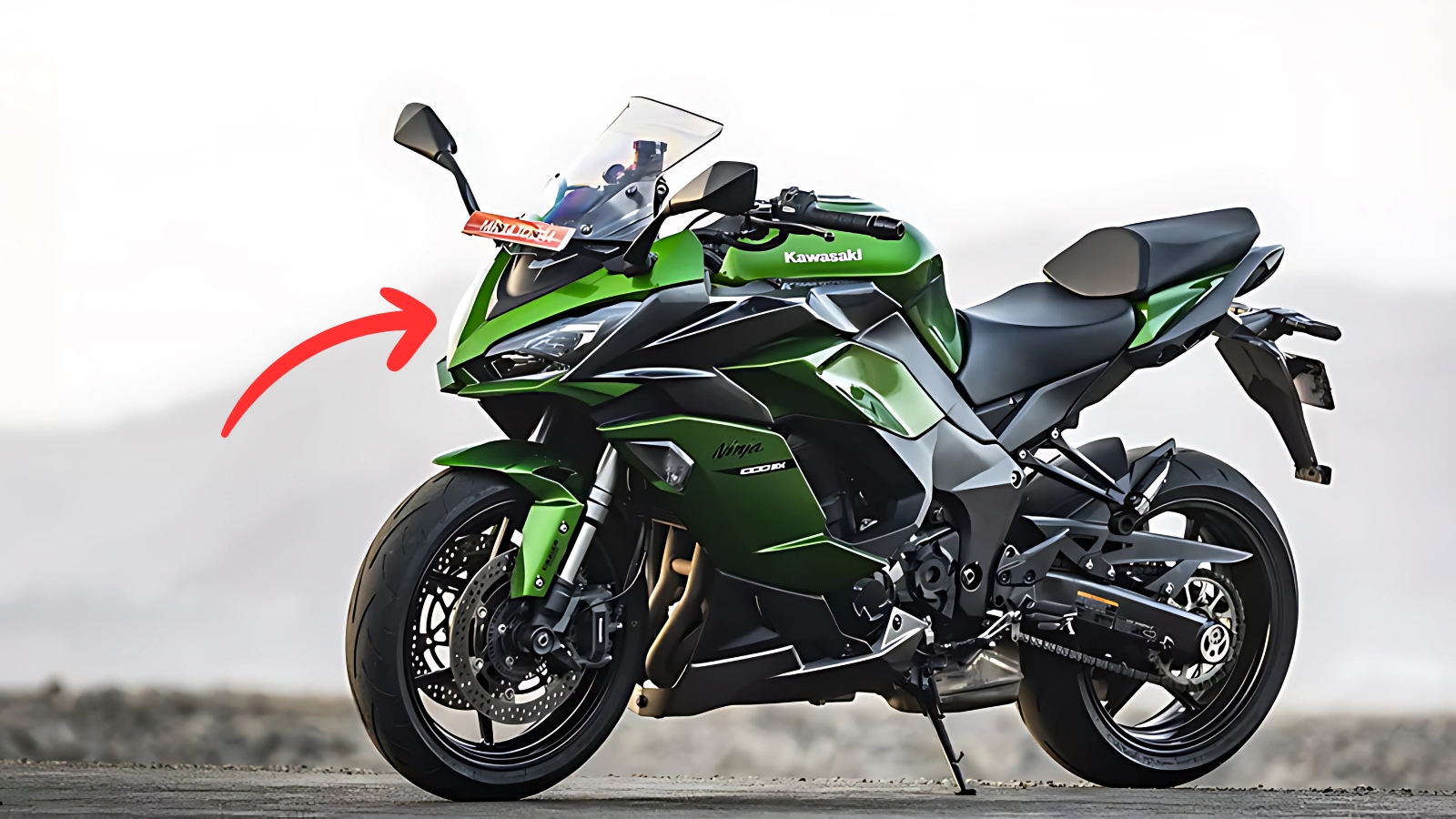
Visual changes remain subtle, reflecting the motorcycle’s evolutionary rather than revolutionary development approach. It might not be the high-performance Ninja we have all grown accustomed to, but it certainly looks like one. Kawasaki worked really hard to get the design right, and all things considered, it works rather well. Without luggage, you would be hard-pressed to say this isn’t a sports bike.
This design philosophy serves practical purposes beyond aesthetics. The sport bike appearance appeals to riders who want performance-oriented styling, while the ergonomics accommodate long-distance comfort requirements. The motorcycle’s ability to transform from sport bike to touring machine with accessory additions demonstrates thoughtful design integration.
Market Positioning Maintains Competitive Advantage
The Ninja 1100SX’s pricing strategy ensures continued market competitiveness. It has become customary for manufacturers to change the color of a motorcycle, and add $100. So it is genuinely refreshing to see Kawasaki make actual changes (much like the new Ninja 500) and not charge more for the bike. This approach provides genuine value improvement without price penalties.
Competition analysis reveals the Ninja’s unique market position. In such a competitive market, it is somewhat surprising how little competition the Ninja 1100SX really has. Suzuki paid the ultimate compliment by basically copying the idea and calling it the GSX-S1000GT. The lack of direct competitors reflects the motorcycle’s successful formula of combining sport bike performance with touring practicality.
Huawei Pura 80 Ultra- 5700mAh battery with 80W wireless Super Charge
Real-World Performance Validates Engineering Decisions
Professional testing confirms the engineering improvements translate into meaningful performance benefits. My first ride on the 2025 Kawasaki Ninja 1100SX SE ABS set the stage for the rest of the 1000+ mile review. As I have on countless test bikes, I took the 30-ish mile run on Casitas Pass Road (California State Route 150) from Ojai down to Bates Beach in Carpinteria. I was impressed by the Ninja’s ability to run deep lean angles through the second gear switchbacks, as well as some long 80+ mph sweepers.
The motorcycle’s versatility extends across riding scenarios from daily commuting to extended touring. On top of having no discomfort in my wrists, I wasn’t uncomfortable anywhere else either. My knees didn’t feel cramped and my backside wasn’t any worse for wear. To avoid a sore butt after that kind of mileage is a special trick for a bike as sporty as the Ninja 1100, and one I was particularly happy about.
kawasaki ninja 1000: Future Implications for Sport Touring
The Ninja 1100SX’s development reflects broader industry trends toward practical performance rather than peak specifications. The emphasis on mid-range power delivery, comfort features, and long-distance capability addresses evolving rider preferences. It’s a bike that simply inspires confidence when you ride it. The chassis, suspension, brakes and engine all work together beautifully to create a riding experience that can be as exciting or relaxed as you like.
This approach suggests a maturing sport touring market where refinement and usability take precedence over raw performance numbers. The Ninja 1100SX’s success in balancing these priorities positions it well for continued market leadership while setting expectations for future developments in the segment.
The 2025 Kawasaki Ninja 1100SX represents the natural evolution of a proven formula rather than a revolutionary departure. Through careful engineering improvements focused on real-world performance, comfort enhancements, and value preservation, Kawasaki has strengthened its sport touring flagship while maintaining the characteristics that made its predecessor successful. This evolutionary approach ensures existing fans remain satisfied while attracting new riders seeking the perfect balance between performance and practicality.
1 thought on “kawasaki ninja 1000- Powerful engine bike launch with young boy’s”
Comments are closed.