Google Pixel 7: The Google Pixel 7 represents a masterclass in iterative smartphone design, proving that revolutionary changes aren’t always necessary to create compelling technology.
Released in October 2022 as the successor to the well-regarded Pixel 6, this device showcases Google’s continued commitment to computational photography excellence while introducing meaningful refinements powered by the company’s second-generation Tensor G2 processor.
At $599, the Pixel 7 delivers flagship-caliber experiences at a price point that undercuts premium competitors by hundreds of dollars.
Design Evolution and Build Quality
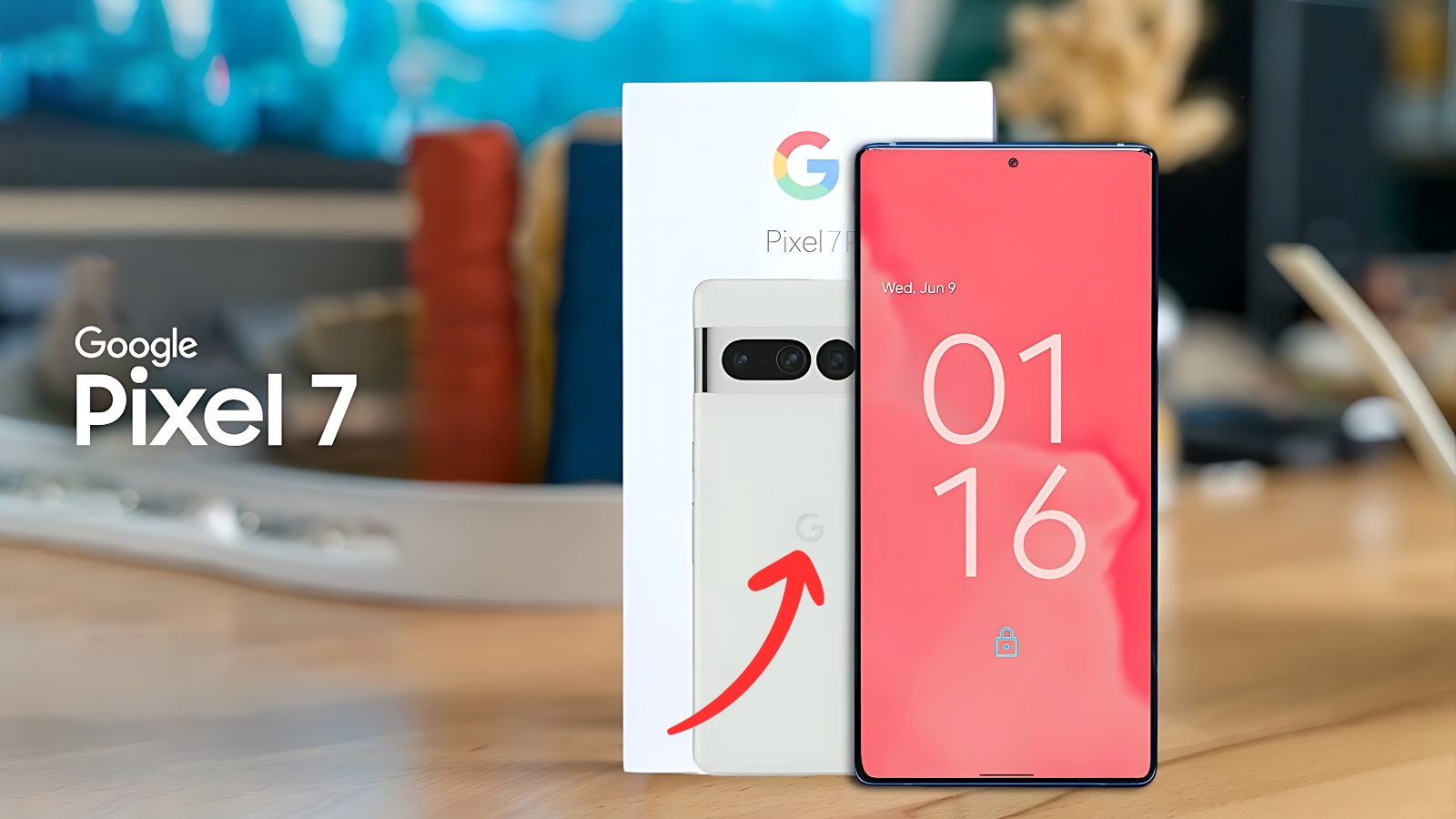
Google has refined the distinctive aesthetic introduced with the Pixel 6, maintaining the signature camera bar that spans the device’s width while upgrading construction materials for enhanced premium appeal.
The most notable improvement involves transitioning from the previous generation’s plastic camera bar to a sophisticated aluminum construction with an attractive matte finish. This change not only improves durability but also elevates the overall visual sophistication of the device.
The Pixel 7 features a more compact form factor compared to its predecessor, measuring 155.64 x 73.16 x 8.7mm and weighing 197 grams.
Google has achieved this reduction while maintaining structural integrity through Corning Gorilla Glass Victus protection on both front and rear surfaces.
The device offers three color options: Obsidian (black), Snow (white), and the standout Lemongrass (green-yellow), each providing distinct personality while maintaining professional aesthetics.
The refined aluminum frame creates an almost jewelry-like quality, particularly noticeable in the distinctive Lemongrass colorway. This attention to material quality demonstrates Google’s evolving understanding of premium smartphone construction, competing effectively with established manufacturers in terms of tactile experience and visual appeal.
Display Technology and Performance
The Pixel 7 incorporates a 6.3-inch OLED display with Full HD+ resolution (2400 x 1080 pixels), supporting a 90Hz refresh rate that provides smooth scrolling and responsive touch interactions.
While this refresh rate specification trails the 120Hz capabilities found in the Pixel 7 Pro and many competing flagships, the difference proves minimal in typical usage scenarios. The display achieves peak brightness levels of approximately 1,000 nits, ensuring excellent outdoor visibility.
Google’s implementation of adaptive refresh rate technology optimizes battery consumption by automatically adjusting screen refresh rates based on content requirements.
Static content drops to lower refresh rates while dynamic applications benefit from the full 90Hz capability, balancing performance with power efficiency.
Tensor G2 Processor and AI Capabilities
The heart of the Pixel 7’s appeal lies in Google’s custom Tensor G2 chipset, which prioritizes artificial intelligence processing over raw computational power.
This processor features an octa-core configuration with two high-performance Cortex-X1 cores, two mid-tier Cortex-A78 cores, and four efficiency-focused Cortex-A55 cores.
While benchmark scores may not match flagship processors from Qualcomm or Apple, real-world performance remains excellent for typical smartphone tasks.
The Tensor G2’s specialized Tensor Processing Unit enables unique AI-powered features that distinguish Pixel devices from competitors. These capabilities include enhanced real-time language processing, improved computational photography algorithms, and on-device machine learning that operates without requiring cloud connectivity.
Speech recognition proves particularly impressive, with live dictation functionality achieving near-perfect accuracy even in challenging acoustic environments. This on-device processing ensures privacy while delivering responsive performance that exceeds cloud-based alternatives.
Camera Excellence and Computational Photography
Photography remains the Pixel 7’s greatest strength, featuring a dual-camera system that punches well above its price class. The primary sensor utilizes a 50MP configuration with f/1.85 aperture and optical image stabilization, identical to the unit found in the more expensive Pixel 7 Pro.
The secondary camera employs a 12MP ultra-wide sensor with f/2.2 aperture, providing versatile focal length options for diverse shooting scenarios.
Google’s computational photography expertise shines through features like Night Sight, which transforms challenging low-light scenes into surprisingly detailed images.
The enhanced processing algorithms introduced with Tensor G2 significantly reduce capture times compared to previous generations while maintaining exceptional image quality.
New features include Photo Unblur, which uses AI to rescue blurry images from both current captures and existing photo libraries, and Cinematic Blur for video recording that simulates professional depth-of-field effects.
The Portrait mode continues to excel at subject isolation and background blur, with post-capture editing capabilities allowing users to adjust blur intensity.
The 10.8MP front-facing camera delivers excellent selfie quality with improved low-light performance and natural skin tone reproduction, benefiting from Google’s Real Tone technology that ensures accurate representation across diverse skin tones.
Battery Life and Charging
The Pixel 7 incorporates a 4,355mAh battery, slightly smaller than its predecessor’s 4,614mAh capacity due to the device’s reduced physical dimensions. Despite this reduction, improved power management from the Tensor G2 processor maintains competitive battery life for typical usage patterns.
Users can expect full-day performance with moderate to heavy usage, though intensive tasks like gaming or extended camera sessions may require mid-day charging.
Charging capabilities include 30W wired fast charging, though real-world speeds typically achieve closer to 23W. Wireless charging and reverse wireless charging (Battery Share) provide additional convenience for compatible accessories like earbuds or smartwatches.
Software Experience and Longevity
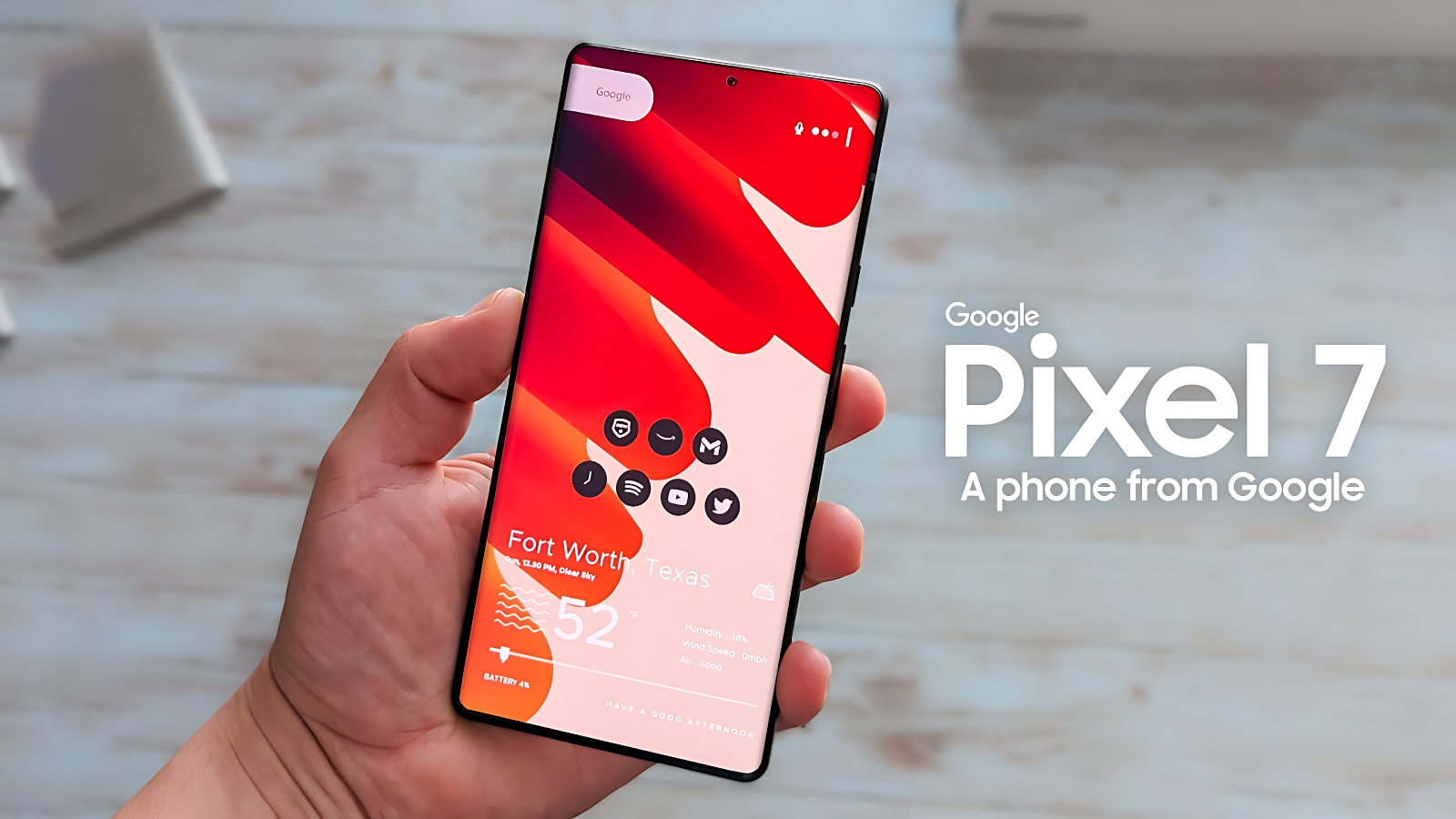
The Pixel 7 ships with Android 13 and represents Google’s vision for the Android experience. The clean, bloatware-free interface prioritizes functionality and user experience over manufacturer customization.
Google provides five years of security updates and major OS upgrades, ensuring long-term software support that rivals or exceeds most Android manufacturers.
Exclusive Pixel features like Call Screen, Hold for Me, and Car Crash Detection leverage the Tensor G2’s AI capabilities to provide genuinely useful functionality that improves daily smartphone interactions.
Market Position and Value Proposition
At $599 for the 128GB model and $699 for 256GB storage, the Pixel 7 delivers exceptional value in the premium smartphone segment. This pricing undercuts the iPhone 14 by $200 while providing competitive performance, superior computational photography, and unique AI-powered features unavailable elsewhere.
Google Pixel 7: Conclusion
The Google Pixel 7 exemplifies how thoughtful refinement can create compelling products without revolutionary changes. By focusing on computational photography excellence, AI-powered features, and software optimization, Google has created a device that competes effectively with more expensive flagships while maintaining accessibility for mainstream buyers.
For users prioritizing camera quality, clean Android experience, and long-term software support, the Pixel 7 represents one of the most compelling smartphone values available.
1 thought on “Google Pixel 7 launched with dhansu battery backup – processor is high”
Comments are closed.