Yamaha Mio 125: The Yamaha Mio 125 represents a significant achievement in Southeast Asian scooter manufacturing, specifically engineered to capture the hearts and wallets of Filipino millennials. This scooter is a certified millennial magnet, all thanks to its stylish looks which can be had in different shades of color such as Magenta, Yellow, Matt Blue, Vibrant Orange, Matte Black, and White. The distinctive M-shaped front design creates visual impact while maintaining practical functionality for daily urban navigation.
The YAMAHA Mio I 125 provides a better riding experience with an M-shaped design with a front face and lighting. This design philosophy extends beyond mere aesthetics, incorporating functional elements that enhance both rider safety and vehicle visibility in congested metropolitan environments. The sporty body graphics combined with strategically placed decals create an identity that resonates strongly with younger demographics seeking both style and substance.
Yamaha Mio 125: Engine Performance Balances Urban Efficiency with Practical Power
At the mechanical heart of the Mio i 125 lies a sophisticated 125cc powerplant that demonstrates Yamaha’s commitment to reliable urban transportation. The maximum power output of Yamaha Mio i 125 is 9.3 hp and the maximum torque is 9.6 Nm, delivering adequate performance for city commuting while maintaining exceptional fuel economy standards.
The engine architecture utilizes 125 cc, 1 cylinder Gasoline engine that fires 9.3 hp of power and 9.6 Nm torque through advanced four-stroke technology. This configuration ensures smooth power delivery across various riding conditions while meeting stringent emissions requirements. The air-cooled system provides sufficient thermal management for typical urban usage patterns, though extended highway riding may reveal limitations compared to liquid-cooled alternatives.
The beating heart of this stylish two-wheeler is a 125cc air-cooled, 4-stroke, SOHC, 2-valve engine which produces a 9 hp and 10 Nm of torque. The engine is then paired with the brand’s V-belt automatic transmission. This CVT system eliminates manual clutch operation, making the scooter particularly accessible to new riders while optimizing fuel consumption through continuously variable ratios.
Competitive Pricing Strategy Maintains Market Leadership
The Mio i 125’s pricing structure reflects Yamaha’s understanding of the Philippine market’s price-sensitive nature. The Yamaha Mio i 125 price in the Philippines starts between ₱77,900 – 80,400 for the available variants. There are two variants available, the Standard version which is priced at P71,900 and the S retailing at P75,900. This competitive positioning provides substantial value compared to premium competitors while offering financing options that make ownership accessible to working-class buyers.
The pricing advantage becomes particularly evident when compared to primary rivals. We have the Honda Click 125i priced at ₱81,400, while Yamaha Mio i 125 is priced at ₱77,900, creating a significant cost differential that influences purchasing decisions. This ₱3,500 advantage allows buyers to allocate resources toward accessories, maintenance reserves, or simply reduces the financial burden of motorcycle ownership.
Technical Specifications Address Practical Urban Requirements
Physical dimensions of the Mio i 125 optimize urban maneuverability without sacrificing rider comfort. The Mio i 125 is a 2 Seater Scooter and has a length of 1870 mm the width of 685 mm, and a wheelbase of 1260 mm. along with a ground clearance of 135 mm. These proportions facilitate navigation through congested traffic while providing adequate clearance for typical road conditions.
Weight distribution plays a crucial role in handling characteristics. The kerb weight of Yamaha Mio i 125 is 92 kg, creating an optimal balance between stability and agility. This relatively light weight assists newer riders in developing confidence while enabling experienced operators to exploit the scooter’s maneuverability advantages in dense urban environments.
The Yamaha Mio i 125 has a seating height of 750 mm, accommodating a wide range of rider heights while maintaining comfortable ergonomics. The fuel capacity specification shows The fuel tank capacity of Yamaha Mio i 125 is 4.2 L, which while compact, aligns with the vehicle’s urban-focused mission and contributes to overall weight savings.

Market Competition Reveals Strengths and Limitations
Comparative analysis against primary competitors illuminates the Mio i 125’s market position. The Honda Click 125i has power of 11 hp with 10.8 Nm torque and Yamaha Mio i 125 has power of 9.3 hp with 9.6 Nm torque. Thus making Click 125i the more powerful as compared to Mio i 125. This power deficit represents approximately 15% less output, which becomes noticeable during acceleration and hill climbing scenarios.
However, the Yamaha maintains advantages in other areas. The Click 125i comes with a ground clearance of 132 mm, on the other hand the Mio i 125 comes with a ground clearance of 135 mm, hence the Yamaha Mio i 125 has better ground clearence and off roading capabilities. This 3mm advantage, while minimal, provides marginally better capability over road irregularities common in Philippine infrastructure.
Safety equipment comparison reveals parity between major competitors. Click 125i safety features: Pass Switch, Engine Check Warning and Shutter Lock Mio i 125 safety features: Pass Switch, Engine Check Warning and Shutter Lock The Honda Click 125i and Yamaha Mio i 125 both have same Safety Features.
Real-World Performance Analysis Highlights Urban Suitability
Practical testing reveals the Mio i 125’s strengths in typical usage scenarios. The Yamaha returns 50 kmpl on the highway and 43 on city roads, demonstrating exceptional fuel efficiency that significantly reduces operating costs for daily commuters. These figures represent substantial savings compared to larger displacement alternatives while meeting the mobility needs of most urban riders.
However, certain limitations emerge under demanding conditions. The differences are clear as day. The Yamaha engine is a highly advanced unit using the brands Blue Core technology that handles everything from forged pistons and roller rocker arms. But this pales in comparison to the fact that the Honda engine is liquid cooled. This technological difference becomes apparent during extended operation or in extremely hot conditions where thermal management becomes critical.
The practical implications extend to fuel tank capacity. Another major point of difference is the smaller fuel tank in the Yamaha (4.2 L) compared to the Honda at 5.5 L. This 1.3-liter disadvantage requires more frequent refueling stops, though the excellent fuel economy partially compensates for reduced range.
Customer Satisfaction and Market Reception
User feedback consistently highlights specific strengths of the Mio i 125 platform. The MIO i125 is known for its excellent fuel efficiency, making it cost-effective for daily commuting. This reputation for economy has established the model as a benchmark for budget-conscious transportation in the Philippine market.
Owner testimonials emphasize practical benefits beyond mere specifications. Reviews frequently mention the scooter’s lightweight handling characteristics, maintenance affordability, and reliability in daily service. The automatic transmission receives particular praise from urban commuters who value the convenience of twist-and-go operation in stop-and-go traffic conditions.
Yamaha’s “Own the Culture” Marketing Strategy
The manufacturer’s promotional approach reflects deep understanding of target demographics. MANILA: Yamaha Motor Philippines has launched its new “Yamaha Own the Culture” campaign by showcasing its brand-new Mio lineup, positioning the vehicles as lifestyle accessories rather than mere transportation tools. This strategy resonates particularly well with younger buyers who view their vehicle choice as an expression of personal identity.
Marketed as the perfect scooter for the “Miollenials”, the Yamaha Mio i125 lives with the expectations of being an elegant solution for modern urban mobility. This demographic targeting has proven successful in maintaining strong sales figures despite increasing competition from both domestic and international manufacturers.
Technology Integration and Modern Features
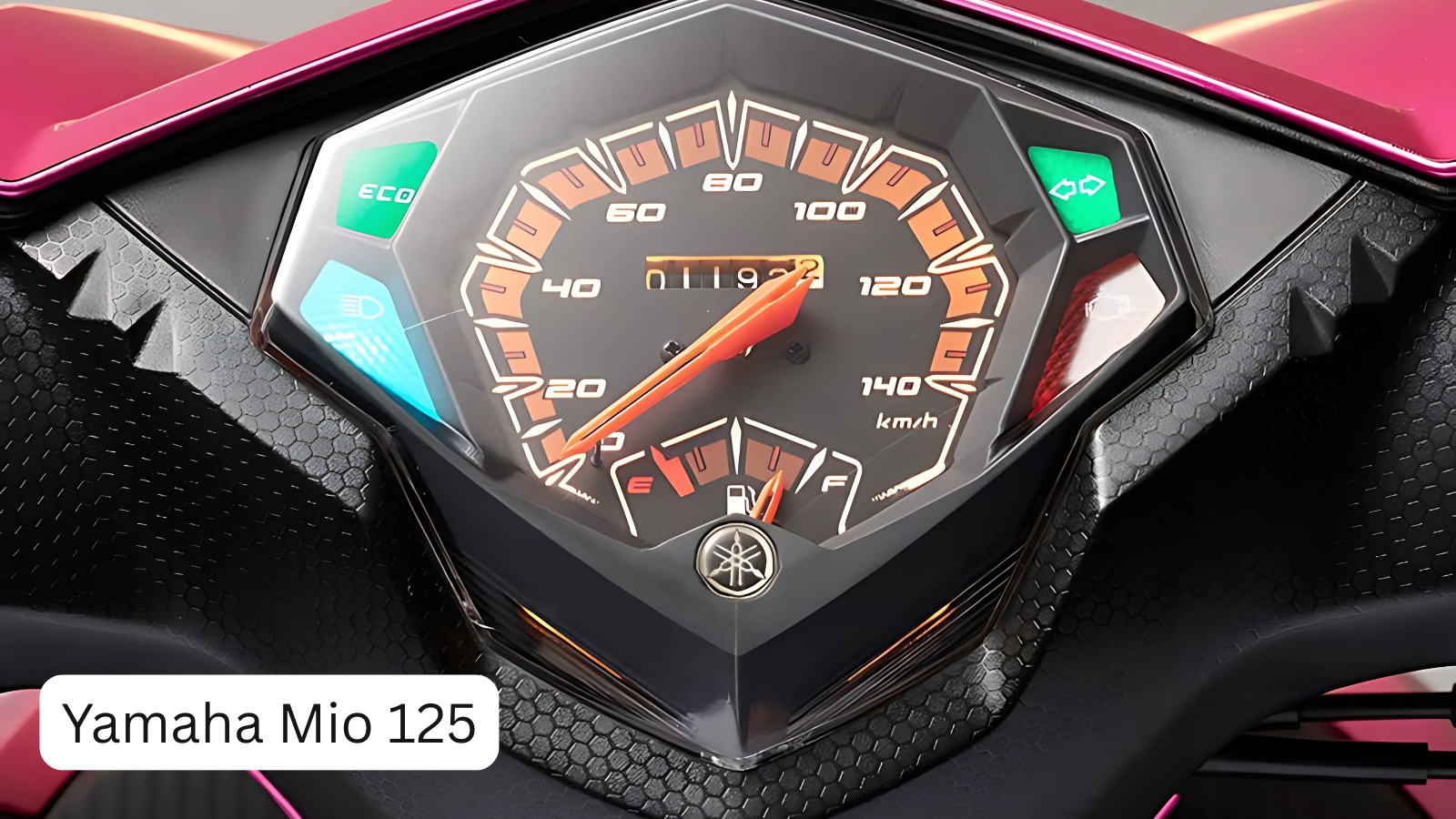
While positioned as an entry-level offering, the Mio i 125 incorporates several contemporary features that enhance user experience. The halogen lighting system provides adequate illumination for urban riding conditions, while analog instrumentation offers essential information without complexity. The key shutter mechanism provides security benefits while the electric starter ensures reliable operation across various conditions.
The automatic transmission represents the most significant technological advantage, eliminating learning curves associated with manual clutch operation. This accessibility factor has contributed substantially to the model’s popularity among first-time motorcycle buyers and urban commuters seeking hassle-free transportation.
Yamaha Mio 125: Future Market Outlook and Industry Impact
The Yamaha Mio i 125’s continued success demonstrates the viability of focused product development targeting specific demographic and geographic markets. As urbanization continues accelerating across Southeast Asia, demand for efficient, affordable, and stylish urban transportation solutions will likely increase, positioning the Mio i 125 favorably for sustained market success.
The model’s influence extends beyond individual sales figures, establishing design and marketing benchmarks that competitors must address. The successful integration of style, affordability, and practicality provides a template for future urban mobility solutions in emerging markets worldwide.