Maruti Ritz: In the annals of Indian automotive history, few cars have been as polarizing yet practical as the Maruti Suzuki Ritz. Launched in 2009 and discontinued in 2017, this “tall-boy” hatchback represented Maruti’s bold attempt to create a unique space in the competitive B-segment.
While its unconventional styling divided opinions, the Ritz proved that function could triumph over form, offering a compelling package of space, efficiency, and reliability that resonated with practical-minded buyers across India.
Maruti Ritz: Design Philosophy Function Over Fashion
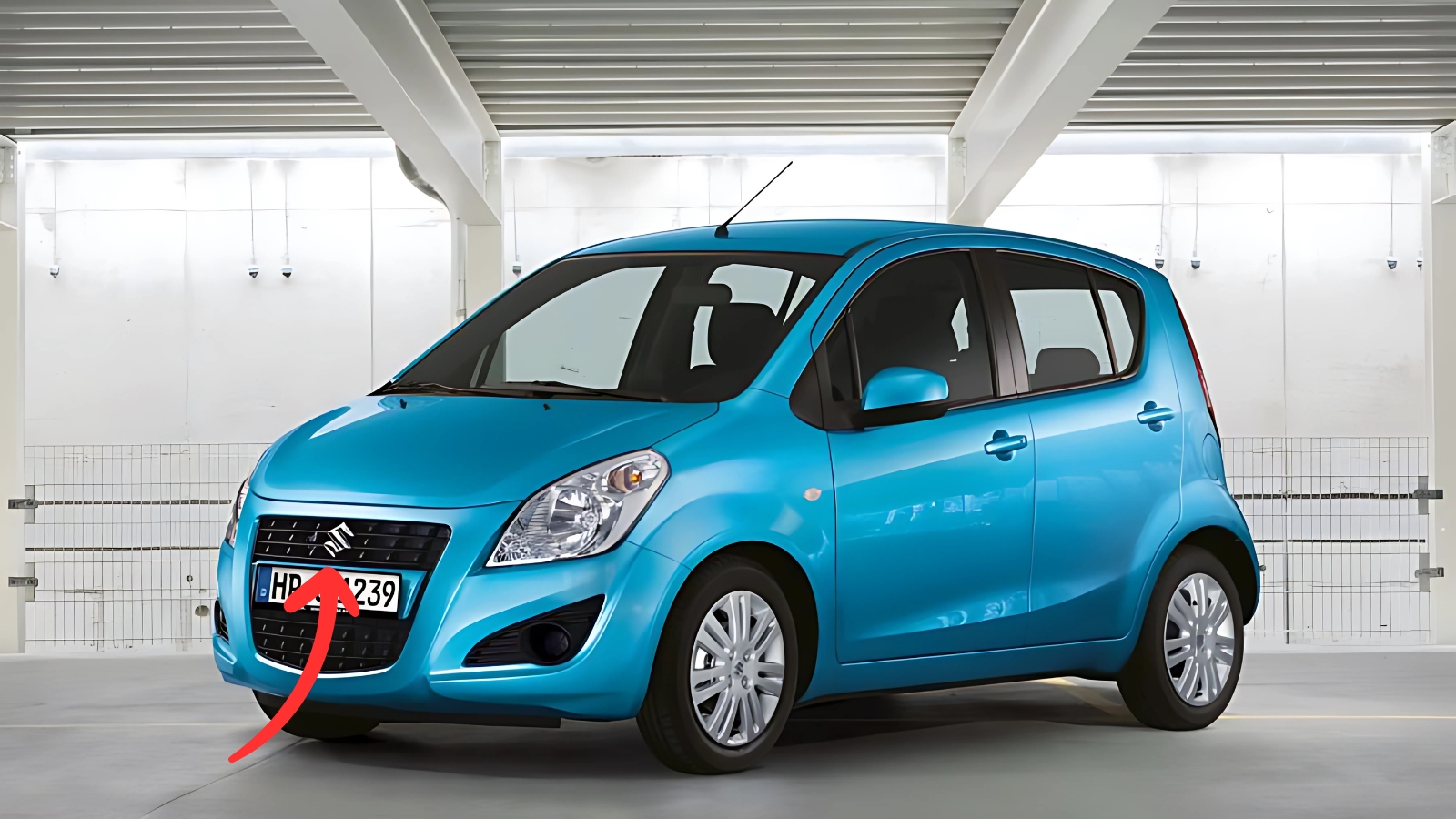
The Maruti Ritz was never going to win beauty contests, and Maruti knew it. The design team prioritized interior space and practicality over conventional aesthetic appeal, resulting in a vehicle that looked unlike anything else in its segment. The tall-boy proportions—measuring 3775mm in length, 1680mm in width, and featuring an unusually high roofline—gave the Ritz its distinctive silhouette that customers either loved or dismissed entirely.
The front end featured Maruti’s family design language with a conventional grille and headlamp arrangement, but it was the rear that truly defined the Ritz’s character. The unique boomerang-shaped rear design element became a signature feature, creating a visual identity that was immediately recognizable from a distance. This styling choice, while polarizing, served the practical purpose of maximizing interior headroom and creating a sense of spaciousness that belied the car’s compact external dimensions.
Available in six attractive colors—Superior White, Bakers Chocolate, Silky Silver, New Mystique Red, New Breeze Blue, and New Granite Grey—the Ritz offered variety within its distinctive design framework. The 2012 facelift brought subtle refinements including a new front grille, updated headlights, body side molding, and a rear spoiler that helped modernize the appearance without abandoning the core design philosophy.
Interior Excellence: Where the Ritz Truly Shined
Step inside the Ritz, and the design philosophy’s wisdom became immediately apparent. The tall-boy proportions translated into best-in-class headroom that made even tall passengers comfortable—a rarity in the compact hatchback segment. The high seating position provided excellent visibility, giving drivers a commanding view of the road that enhanced both confidence and safety.
The cabin design emphasized practicality and functionality over flashy features. The dashboard layout was straightforward and user-friendly, with controls positioned logically for easy access. The seats offered good support for both front and rear passengers, though the rear bench was better suited for two adults rather than three, despite the car’s five-seat designation.
Storage solutions throughout the cabin demonstrated thoughtful design, with various compartments and spaces for personal items, though the boot space was limited to 236 liters—a compromise necessitated by the compact external dimensions and tall-boy design. The interior materials reflected the car’s positioning, offering decent quality plastics and fit-and-finish that met expectations without exceeding them.
Powertrain Options: Proven Reliability
The Ritz shared its engine lineup with other successful Maruti models, ensuring proven reliability and widespread service support. The petrol variant featured a 1.2-liter K-Series engine producing 85 bhp at 6000 rpm and 113 Nm of torque at 4500 rpm. This naturally aspirated unit provided adequate performance for city driving while delivering impressive fuel efficiency of up to 18.5 kmpl under ARAI testing conditions.
For buyers prioritizing fuel economy, the diesel option proved particularly attractive. The 1.3-liter DDiS (Diesel Direct injection System) engine produced 75 bhp and offered excellent fuel efficiency of up to 23.2 kmpl. This Fiat-sourced unit had already proven its worth in other Maruti models and provided the Ritz with strong low-end torque characteristics ideal for city driving conditions.
Both engines were available with a 5-speed manual transmission as standard, while the petrol variant also offered a 4-speed automatic option priced at Rs 6.15 lakh. The automatic transmission, while not the most sophisticated, provided convenience for urban commuting and helped differentiate the Ritz from many competitors that lacked this option.
Driving Dynamics: Comfort Over Sport
The Ritz was engineered for comfort and practicality rather than sporting dynamics. The suspension setup prioritized ride quality over sharp handling, making it well-suited for Indian road conditions. The higher ground clearance of 170mm helped the car navigate speed breakers and rough roads without scraping, a crucial advantage in Indian driving conditions.
The steering was light and easy to manage in city traffic, though it lacked the precision and feedback that driving enthusiasts might prefer. The high seating position, while excellent for visibility, did result in some body roll during cornering, but this was rarely problematic given the car’s intended use as a practical family vehicle.
Braking performance was adequate for the car’s weight and intended usage, with disc brakes at the front and drums at the rear. Higher variants included ABS with EBD, enhancing safety during emergency braking situations. The overall driving experience emphasized comfort and ease of use over excitement, perfectly matching the car’s target audience.
Market Performance: A Niche Success Story
During its eight-year production run, the Ritz found its place in the Indian market despite its unconventional appearance. Sales figures of approximately 400,000 units over its lifetime demonstrated that there was indeed a market for this unique approach to hatchback design. The car particularly appealed to buyers who prioritized interior space, fuel efficiency, and Maruti’s renowned reliability over conventional styling.
Price positioning ranged from Rs 4.51 lakh for the base LXi variant to Rs 6.81 lakh for the top-end ZDi diesel variant, making it competitive within the B-segment while offering unique advantages. The automatic variant’s pricing at Rs 6.15 lakh provided an accessible entry point into automatic transmission ownership for many Indian buyers.
The Ritz competed primarily with other B-segment hatchbacks like the Hyundai i20, Ford Figo, and Volkswagen Polo, though its unique positioning meant it often appealed to different buyer priorities. Where competitors emphasized style or performance, the Ritz offered space and practicality, creating its own niche within the broader market.
OnePlus 13 5g launched with 6000 mAh Battery and Super fast Charging
Legacy and Discontinuation: End of an Era
By 2016, changing market preferences and the introduction of newer models in Maruti’s lineup spelled the end for the Ritz. Sales had declined significantly, dropping from respectable numbers to just five units in the final months of production. The introduction of the Celerio, Swift facelift, and Baleno provided customers with alternatives that offered better styling while maintaining Maruti’s core strengths.
The Ritz was officially discontinued in January 2017, marking the end of Maruti’s experiment with tall-boy design in the B-segment. While the styling never achieved broad acceptance, the car had proven that there was room for unconventional approaches in the Indian market, paving the way for future innovations in space utilization and practical design.
Maruti Ritz: The Verdict A Practical Pioneer
The Maruti Ritz may not have been conventionally beautiful, but it succeeded in its primary mission: providing maximum space and utility in a compact, affordable package. For buyers who prioritized headroom, visibility, fuel efficiency, and Maruti’s reliable ownership experience over aesthetic appeal, the Ritz delivered exactly what was needed.
The car’s legacy lies not in sales numbers or critical acclaim, but in demonstrating that Indian buyers were willing to embrace unconventional designs when they delivered genuine practical benefits. The Ritz proved that in the Indian market, function could indeed triumph over form, creating its own loyal following among customers who valued substance over style.
While the Ritz is no longer in production, its influence can be seen in the continued popularity of taller, more practical vehicle designs across various segments. For those who owned and appreciated the Ritz, it remains a testament to the idea that the best car is often the one that simply does its job well, regardless of what others might think about its appearance.
1 thought on “Maruti Ritz – Budget cost car launched in market, features is so comfortable”
Comments are closed.